
Before I began my career as a life coach (a decade in this business after 15 years corporate in leadership and client facing roles) I knew I needed help.
I struggled with anxiety and depression for over a decade and didn't feel I was living my true purpose. I sought both coaching and counselling as part of my solution. And made some big life decisions. That's a whole other blog, so if you're curious to know how I managed my way through it, please book a time to chat.
When to DIY your challenge, versus seeking professional help:
Today, I talk to people who are considering or receiving coaching as an option every day. As much of our discussions can take place inside our heads, I thought I'd share my thoughts on when to DIY your challenge, and when to seek expert help from a certified coach. Especially if they have relevant experience to your situation.
When to explore coaching as an option: based on my client base, if two or more of these criteria apply
1. If you’ve bought a book/online course about it and haven’t completed it. Or have, and nothing changed.
2. You are drawn to researching/reels about a topic but still haven’t done anything different.
3. You’ve felt stuck on this challenge for more than 3 months.
4. You’re obsessing about an issue or challenge (and frankly, your partner or friends are bored of hearing about it!).
5. You tried talking to another type of professional which felt good at the time but didn’t result in lasting change or positive impact in your life.
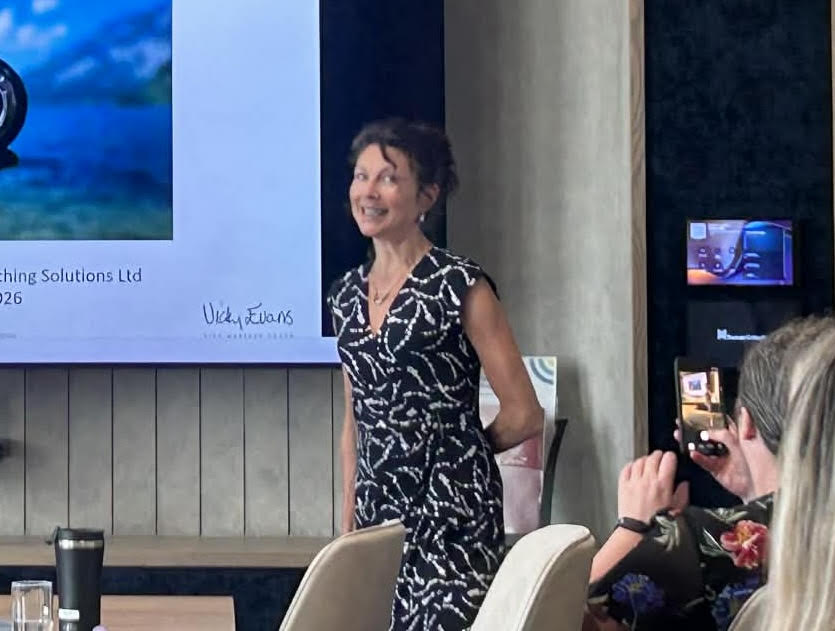
I presented on this today, and will be running a professional development session for anyone curious or on the fence later this month.
What about encouragement and support?
So we've covered off the factual part of the decision making process, let's move on to the support, the emotional and practical help that comes with a good coaching relationship;
These three reasons resonate with the type or enquiries I get. And the leadership or life coaching clients who come on board:
1. They’d love someone on their side more often. To talk about the challenges but also daily issues and interactions we all experience.
2. They’d appreciate some strategies or tools to help daily life feel easier and more effective. To help them feel and act with more confidence.
3. They value some professional encouragement and support. And someone neutral to help model being kinder to ourselves. To balance the sometimes negative self talk.
How can I connect with you to learn more about your challenges?
If you’re curious to learn more, we can book a free strategy session to see if what I offer matches your needs here: VickyevansBook - Vicky Evans